
Beginner's Guide to Choosing Cricket Balls: Leather Balls vs Tennis Balls vs Synthetic Balls
4 min read
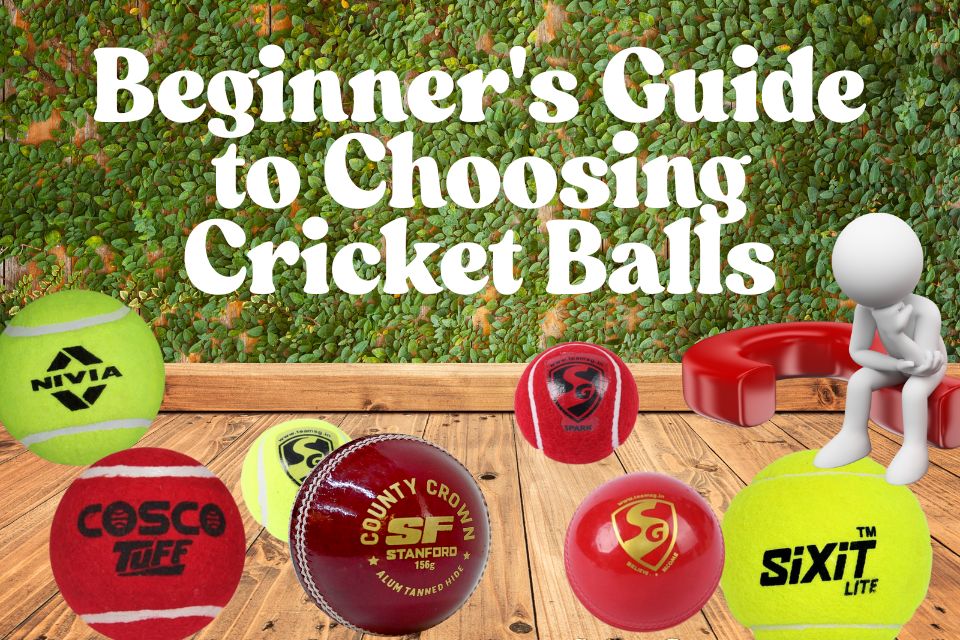
Choosing the right cricket ball is essential to enjoy the game and improve your performance, whether you're practicing in the nets, playing in your local league, or training indoors. With multiple options available—leather, tennis, and synthetic balls—each serves a unique purpose and suits different playing conditions and skill levels.
In this beginner-friendly guide, we’ll break down the features, benefits, and ideal use cases for each type of cricket ball, helping you make an informed decision.
- Leather Cricket Balls: The Professional's Choice
What Are Leather Balls?
Leather cricket balls are traditionally used in professional and competitive matches. Made from hard cork covered with high-quality leather, they’re known for their durability, seam behavior, and ability to swing and spin.
Key Features:
- Material: Core made of cork and layered with tightly wound string, finished with dyed leather.
- Seam: Prominent hand-stitched seam ideal for bowlers to generate movement.
- Weight: Approximately 156g (senior men's ball).
Who Should Use Leather Balls?
- Intermediate to advanced players
- Players training for club, school, or professional matches
- Matches played on turf pitches
Pros:
- Real match experience
- Suitable for advanced bowling and batting skills
- Durable on grass/turf
Cons:
- Requires break-in and maintenance
- Not suitable for concrete or synthetic pitches
👉 Buy Leather Balls Online to get match-ready performance with superior grip and swing control.
- Tennis Cricket Balls: Great for Beginners and Casual Play
What Are Tennis Balls for Cricket?
Cricket-specific tennis balls are standard tennis balls with additional tape or slightly modified weights to suit cricket play. They're ideal for beginners, kids, and recreational games.
Key Features:
- Material: Rubber core with felt or synthetic coating
- Variants: Light or heavy tennis balls (some with extra tape for weight)
- Bounce: High bounce, less seam movement
Who Should Use Tennis Balls?
- Beginners and young players
- Gully cricket and recreational games
- Indoor or hard surface matches
Pros:
- Safer for young and casual players
- Budget-friendly
- No need for protective gear
Cons:
- Lacks real match behavior (no swing/spin)
- Wears out quickly on rough surfaces
👉 Buy Tennis Balls Online for safe and fun cricket practice anytime, anywhere.
- Synthetic Cricket Balls: The Perfect Middle Ground
What Are Synthetic Balls?
Synthetic cricket balls mimic the look and behavior of leather balls but are made from plastic or composite materials. They’re designed to offer some swing and bounce while being more durable than tennis balls.
Key Features:
- Material: High-grade PVC or polyurethane
- Weight: Similar to leather balls, but lighter variants are available
- Use Case: Training on concrete, matting, or turf pitches
Who Should Use Synthetic Balls?
- Intermediate players practicing on hard pitches
- Schools and academies with mixed surfaces
- Budget-conscious teams
Pros:
- More durable than tennis balls
- Minimal maintenance
- Safer than leather balls for beginners
Cons:
- Less bounce than tennis balls
- Limited swing/spin compared to leather balls
👉 Buy Synthetic Balls Online to balance safety, durability, and match-like experience in one go.
- Comparison Table: Leather vs Tennis vs Synthetic
Feature | Leather Ball | Tennis Ball | Synthetic Ball |
|---|---|---|---|
Material | Leather & Cork | Rubber & Felt | PVC/Polyurethane |
Best For | Advanced matches | Beginners/Recreation | Intermediate training |
Swing/Spin | Excellent | None | Moderate |
Safety | Needs protection | Very safe | Moderately safe |
Maintenance | High | Low | Low |
Price | High | Low | Medium |
- Tips for Choosing the Right Cricket Ball
- Skill Level: Beginners should avoid hard leather balls to prevent injury and focus on building confidence.
- Pitch Type: Turf pitches favor leather balls, while cement or matting pitches work better with synthetic or tennis balls.
- Age Group: For juniors, use lighter synthetic or soft tennis balls.
- Game Format: Leather balls are ideal for formal matches; tennis or synthetic are better for practice or casual games.
- Where to Buy Cricket Balls Online
Ready to upgrade your cricket game? Whether you're prepping for a serious match or enjoying a weekend game with friends, having the right ball makes all the difference. At SportsGear24x7, you’ll find a curated collection of top-quality cricket balls to match every playing style:
- Leather Balls – Built for professionals, offering superior seam and swing
- Tennis Balls – Ideal for casual games, beginners, and safe play
- Synthetic Balls – Perfect for practice sessions on all pitch types
Why choose SportsGear24x7?
✔️ Fast shipping
✔️ 100% genuine products
✔️ Expert advice just a call or WhatsApp away
Join thousands of cricket enthusiasts who trust us for their gear—shop now and play with confidence!
Final Thoughts
Choosing the right cricket ball can elevate your playing experience and help you train effectively. Leather balls offer unmatched performance, synthetic balls bring durability and safety, while tennis balls are perfect for carefree fun. Assess your needs, playing surface, and skill level before making your choice.
Still unsure? Talk to our experts at SportsGear24x7 via WhatsApp or call us at +91 90397 99030 — we’re here to help you pick the best gear for your game!